

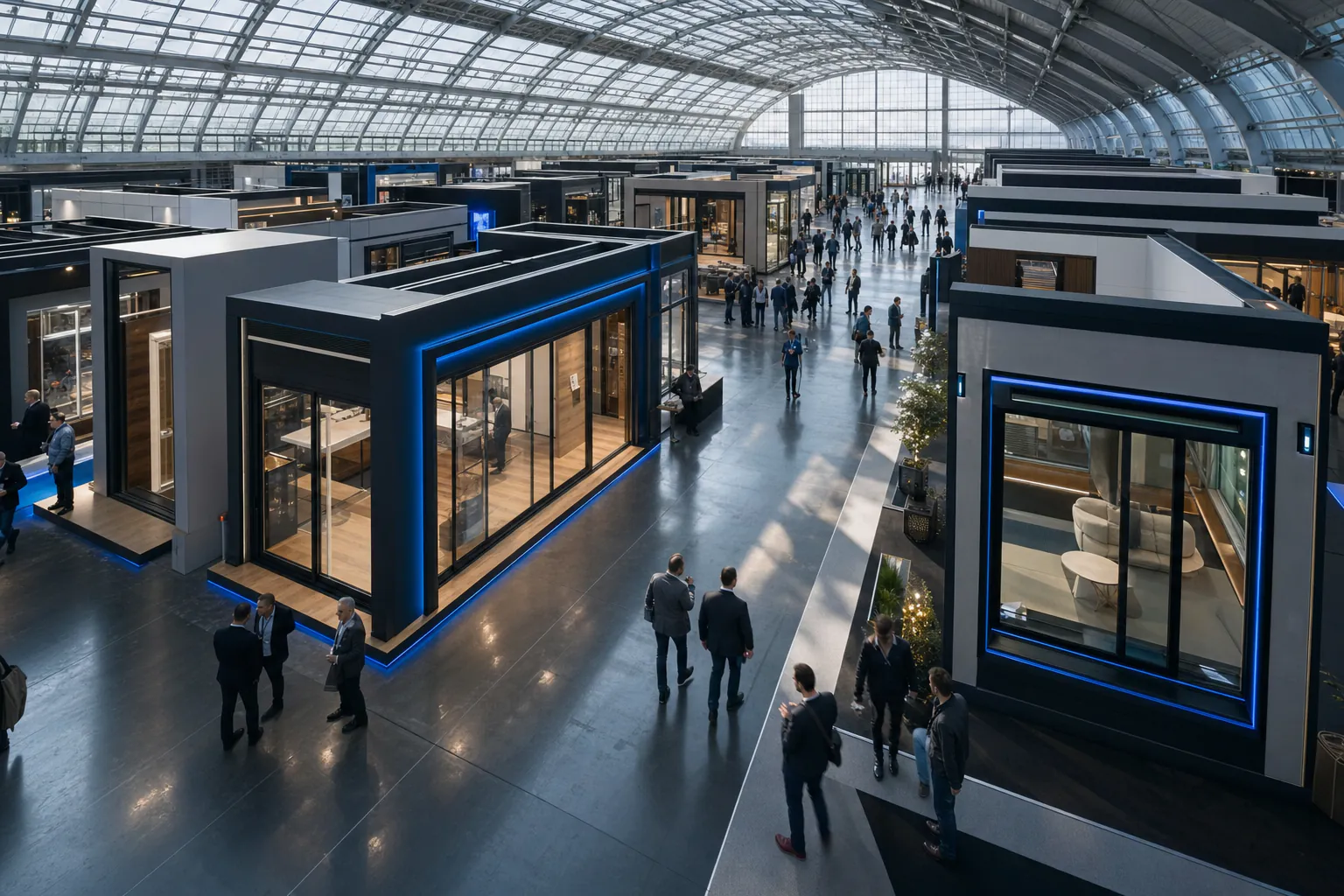
Two fenestration markets, one unified digital approach
Fenestration is going through a deep digital, macroeconomic and behavioural shift. The US window and door installation market alone is on track for $47 billion by 2026, and operators are working two markets simultaneously. The B2C homeowner market prizes speed, visual proof and psychological trust in a high-mortgage-rate environment where relocations are delayed. The B2B commercial and architectural market demands rigorous technical compliance, structural validation and complex multi-item documentation to satisfy increasingly strict building codes.
Legacy systems, ad-hoc spreadsheet estimation and inconsistent follow-up cadences no longer carry either of these audiences. 97% of consumers conduct exhaustive online evaluations before contacting a contractor, and 63% demand visual proof of product quality and design before they buy. At the same time, the architectural sector is bound by frameworks like the 2026 California Title 24 update and the latest Florida wind-load requirements, which demand precise thermal and structural analysis before specification.
Bridging the two profiles requires a unified, technology-driven approach. As labour shortages constrain administrative and sales teams, every serious operator is digitising order entry, quotation and documentation. This article is the operational playbook: a B2C 5-Minute Quote Formula for showrooms, and a B2B Architect & Builder Magnet for technical bids. Both are powered by the same RA Workshop ecosystem.

The strategic urgency of speed in lead response
In residential replacement fenestration, the velocity of the first response is the single largest determinant of conversion. Homeowner behaviour in 2026 is shifting toward delayed remodelling decisions: many consumers, locked into low-rate mortgages, are choosing to invest heavily in their existing home rather than relocate. When they finally signal buying intent through high-value queries — 'energy-efficient window installer near me', 'window replacement cost' — they expect immediate, professional engagement.
The numbers are striking. Reaching out to a prospective lead inside the first five minutes generates conversion rates over eight times higher than slower follow-up sequences. Cutting response time below sixty seconds has been measured to lift conversion by up to 391%. The mechanism is the rapid decay of consumer intent: interest peaks at the moment the form is submitted and degrades exponentially with every passing hour.
The cost-per-lead pressure compounds the urgency. Average CPL for window sales has reached around $200, while average search-ad conversion sits near 4.4%. With reportedly 85% of contractors failing at lead generation and follow-up, the financial penalty for slow response is severe. Customers routinely submit enquiries to multiple vendors at once. The manufacturer or dealer that responds fastest with an accurate, visually compelling estimate sets the psychological anchor for the entire decision — and tends to win, even without offering the lowest price.
Manual estimation and ad-hoc spreadsheets cannot compete here. Showrooms operating effectively in 2026 lean on RA Workshop Express. It is engineered for showroom staff and dealers, with a streamlined interface that lets non-technical personnel produce accurate, professional quotes in minutes. By bypassing the multi-day wait for a custom estimate, sales teams establish an immediate posture of competence and reliability.
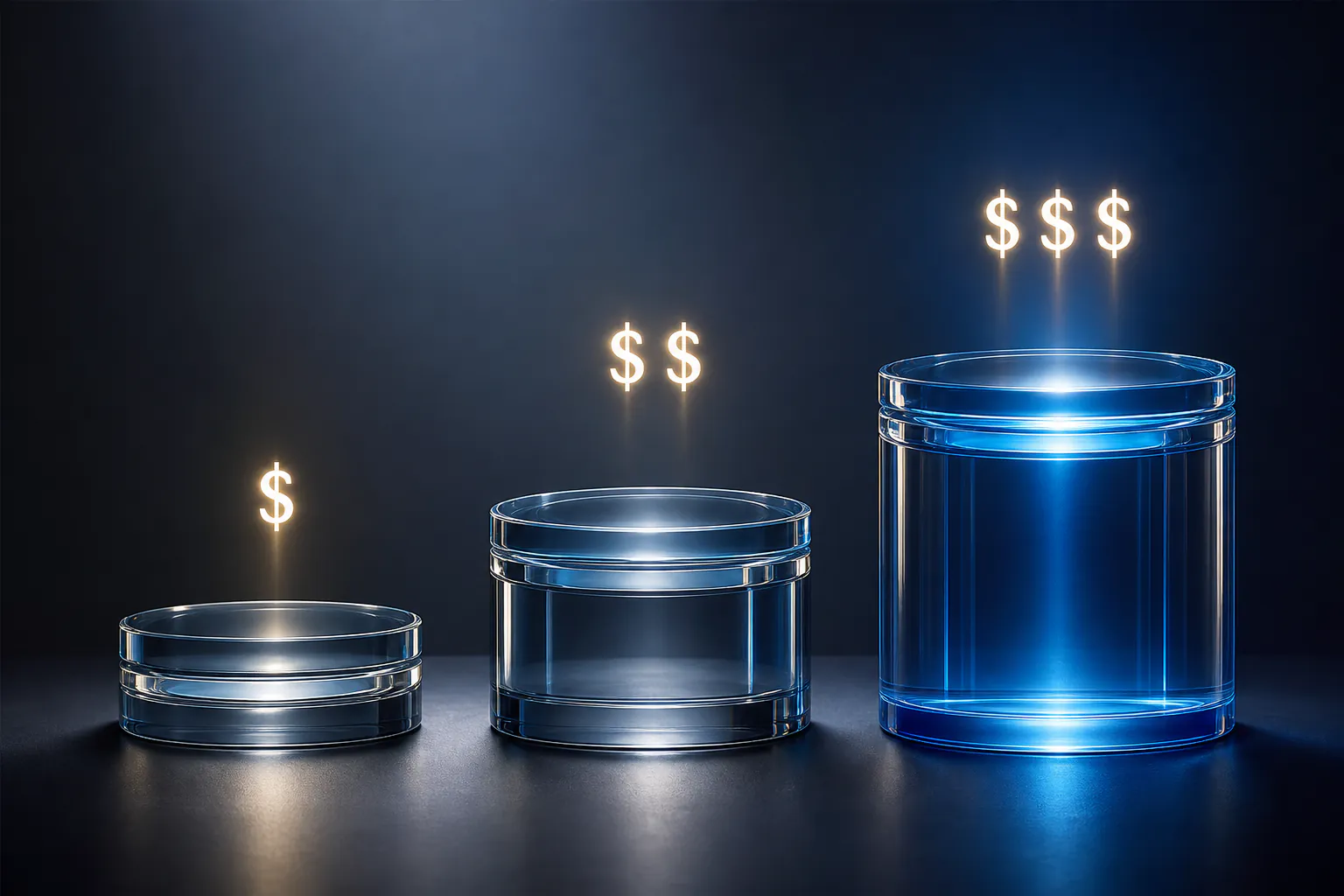
Good, Better, Best — psychological pricing without manipulation
The historical approach to residential window sales has too often relied on volatile pricing and pressure tactics that actively alienate informed consumers. Quotes that mysteriously drop from $32,000 to $12,400 after forty-five minutes of negotiation, the 'today-only discount', the 'big-truck sale', the arbitrary price slash — modern consumers recognise all of them as gimmicks. To protect margin and increase conversion, contemporary showrooms have to pivot away from erratic discounting and adopt structured psychological pricing.
Behavioural economics tells us the brain leans on cognitive shortcuts — the most powerful being anchoring and adjustment. When the consumer evaluates a complex, customised product like premium fenestration, they have no intrinsic reference point and use the first number they see as the baseline. By framing the pricing architecture deliberately, sales teams can guide consumers toward premium products without applying any pressure at all.
The most effective version of this in home services is the Good, Better, Best tier. Three side-by-side options reduce decision fatigue, give the buyer a sense of control, and produce a predictable distribution of choices.
| Tier | Positioning | Psychological function |
|---|---|---|
| Good | Entry-level, meets minimum local building code. | The baseline anchor. Establishes the floor price so the buyer knows the starting investment without feeling priced out. |
| Better | Mid-tier, optimised for value, energy efficiency and aesthetics. | The Goldilocks Zone where most buyers settle. Avoids the guilt of overspending and the regret of skimping. |
| Best | Premium, maximum performance, longest warranties. | The expensive decoy. Anchors the upper limit so the Better tier looks like a sensible bargain by comparison. |
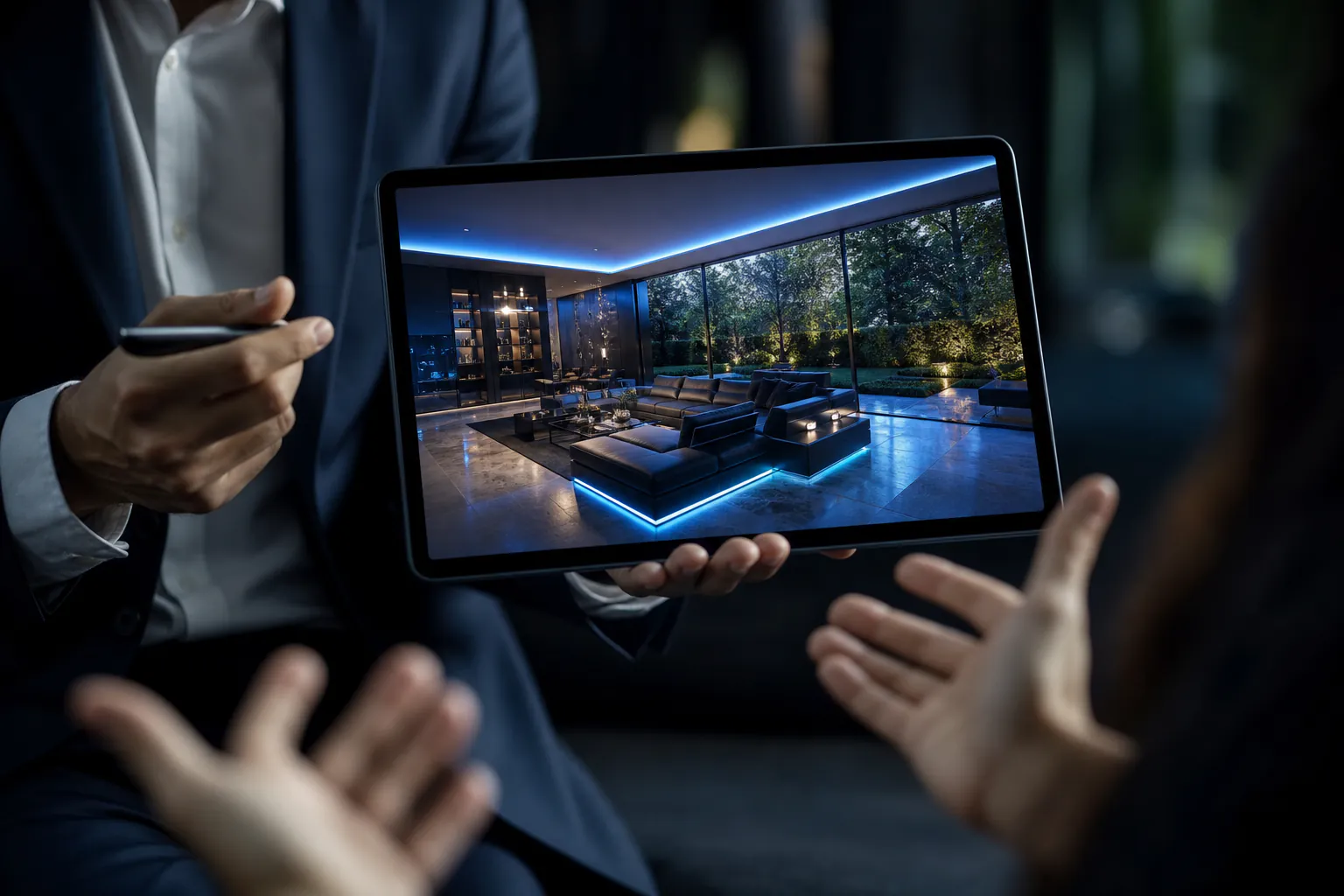
The imperative of visual selling in the showroom
Modern homeowners are visual buyers. The ability to render a custom window accurately and dynamically while the customer is in front of you removes the cognitive abstraction of buying something that does not yet exist. The most effective showroom move in 2026 is generating the design collaboratively on screen, in real time.
RA Workshop Express is built for this. Depending on the edition, it can design casements, awnings, tilt-and-turns, French windows, lift-and-slide doors, parallel slide-and-tilt systems, bifolds, pivots and integrated insect screens. As the customer requests modifications — a transom added, an internal grid pattern changed, an exterior aluminium cladding colour chosen, multipoint locking upgraded — the 3D visual representation and the underlying BOM update simultaneously.
That instant visual-and-financial feedback loop eliminates the contractor-pricing 'black box'. When the consumer literally sees the price shift because a tangible component has been upgraded, trust is built without any selling required. The customer feels they are co-creating their fenestration package, not being pitched.
At the close of the consultation, the showroom rep prints or emails a stunning, branded submittal package — small-scale CAD-style images of every product configured, dimensional data, material summaries, clearly delineated pricing. Handing the customer that artifact ensures the brand remains the authoritative anchor as the buyer evaluates competitors over the next week.

Mastering the multi-touch cadence after the consultation
Generating a fast, beautiful, accurate quote is only the opening move. The most common failure point in fenestration showrooms is the systematic abandonment of warm leads in follow-up. 80% of successful sales require at least five distinct follow-up touches, yet 44% of reps stop after a single attempt. In high-ticket B2C sales, buyers need multiple interactions to build trust, align household stakeholders and secure financial approval.
A disciplined cadence converts follow-up from an ad-hoc chore into a predictable revenue system. The most successful teams define exactly how many touches they will execute, the channel mix, and the timeline.
| Touchpoint | Timing | Channel and objective |
|---|---|---|
| Touch 1 | Day 1 | Phone and email — initial call to gauge reception, followed by an introductory email containing the digital PDF generated by RA Workshop. |
| Touch 2 | Day 3 | Email or SMS — educational value, not a hard pitch. A relevant case study, energy-saving guide, or photos of a similar local installation. |
| Touch 3 | Day 5 | Phone call — low-pressure check-in to surface any objections that have surfaced after the buyer reviewed the quote. |
| Touch 4 | Day 8 | Personalised email — references specific pain points discussed in the showroom (e.g. street noise in the master bedroom). |
| Touch 5 | Day 10 | Value proposition email — clear, frictionless next steps for contract execution and a final, gracious offer of help. |

A scripted, conversational framework for the inevitable pushback
Messaging in the cadence has to be personal and contextual. Scripts are scaffolding, not a cage. Reps avoid robotic delivery and use proven conversational frameworks to handle objections, which are almost never rejections — they are buying signals wrapped in caution.
The most common objection — 'It's too expensive' — is best handled by acknowledging the concern and probing for the customer's reference point. A proven script: "I completely understand budget is a primary concern. If you didn't have an anticipated budget for this scope of work, how did you arrive at that specific price expectation?" The question forces the buyer to articulate whether they are comparing against a substantially cheaper, inferior competitor — or whether they simply did not have a realistic context for the true cost of premium custom fenestration.
Once the root of the objection is exposed, the rep pivots away from price using the BOM and Project Analysis reports natively generated by RA Workshop. Walking the customer through the specific quality of the profiles, the durability of the hardware, the cost of skilled labour and the long-term performance of the glazing converts the conversation from 'price' to 'long-term value and ROI'. That is the conversation the premium product wins.

Evolving B2B purchasing criteria in 2026
While the B2C showroom is driven by visuals, speed and trust, the B2B sector — licensed architects, commercial GCs and large regional builders — runs on an entirely different paradigm. B2B clients require exhaustive technical validation, absolute code compliance and seamless integration into broader project workflows. In 2026, building product manufacturers must position themselves not as material vendors but as competent technical advisors.
Architectural purchasing criteria for windows and doors are dominated by functional performance metrics that justify the premium investment commercial builds require: verifiable energy efficiency, superior sound insulation, enhanced impact resistance, extended commercial warranty coverage. Regional variation matters: Northeast US projects prioritise maximum thermal efficiency, multi-pane glass and hung window configurations to preserve traditional aesthetics, while coastal and Southern regions demand hurricane impact resistance and expansive multi-panel sliding systems.
Sustainability scoring and compliance with environmental programmes have elevated Environmental Product Declarations (EPDs) from optional to mandatory. As sustainability metrics get embedded in standard project specs, manufacturers who cannot supply detailed material breakdowns and certified thermal performance data are simply excluded from bidding. Architectural customisation has to be balanced against raw production demands, which puts every fabricator under pressure to rely on automated engineering software capable of handling infinite permutations of profile, reinforcement and glass.

Navigating Title 24 and high-velocity wind zones
The regulatory landscape for fenestration in 2026 is uncompromising. Two of the strictest frameworks driving architectural specification globally are the California Title 24 Building Energy Efficiency Standards and the Florida Building Code's extreme wind-load requirements.
Title 24, Part 6 imposes strict performance baselines and demands detailed energy modelling and verification of the entire building envelope. Fenestration components must individually meet efficiency thresholds defined by 16 distinct climate zones across California. Under the prescriptive path, newly installed windows typically need a U-factor of 0.30 or less and a Solar Heat Gain Coefficient (SHGC) of 0.23 or less. Every installed window has to bear a certified NFRC label validating its specific thermal performance. The documentation burden on architects to prove this is large — which is why manufacturers who can supply complete architectural submittal packages (precise U-value calculations, building sections, automated door and window schedules) are heavily favoured in the specification and procurement process.
The Florida Building Code enforces some of the most technically demanding wind-load and wind-borne debris regulations in existence. With ultimate design wind speeds reaching 180 mph in coastal regions like the Florida Keys, and Wind-Borne Debris Regions (WBDR) extending much further inland than they used to, fenestration systems have to be carefully engineered. Compliance requires impact-resistant glazing, robust structural mullions and specialised engineered anchorage. This is not a paperwork exercise — it is a structural resilience strategy designed to protect life and long-term asset value.
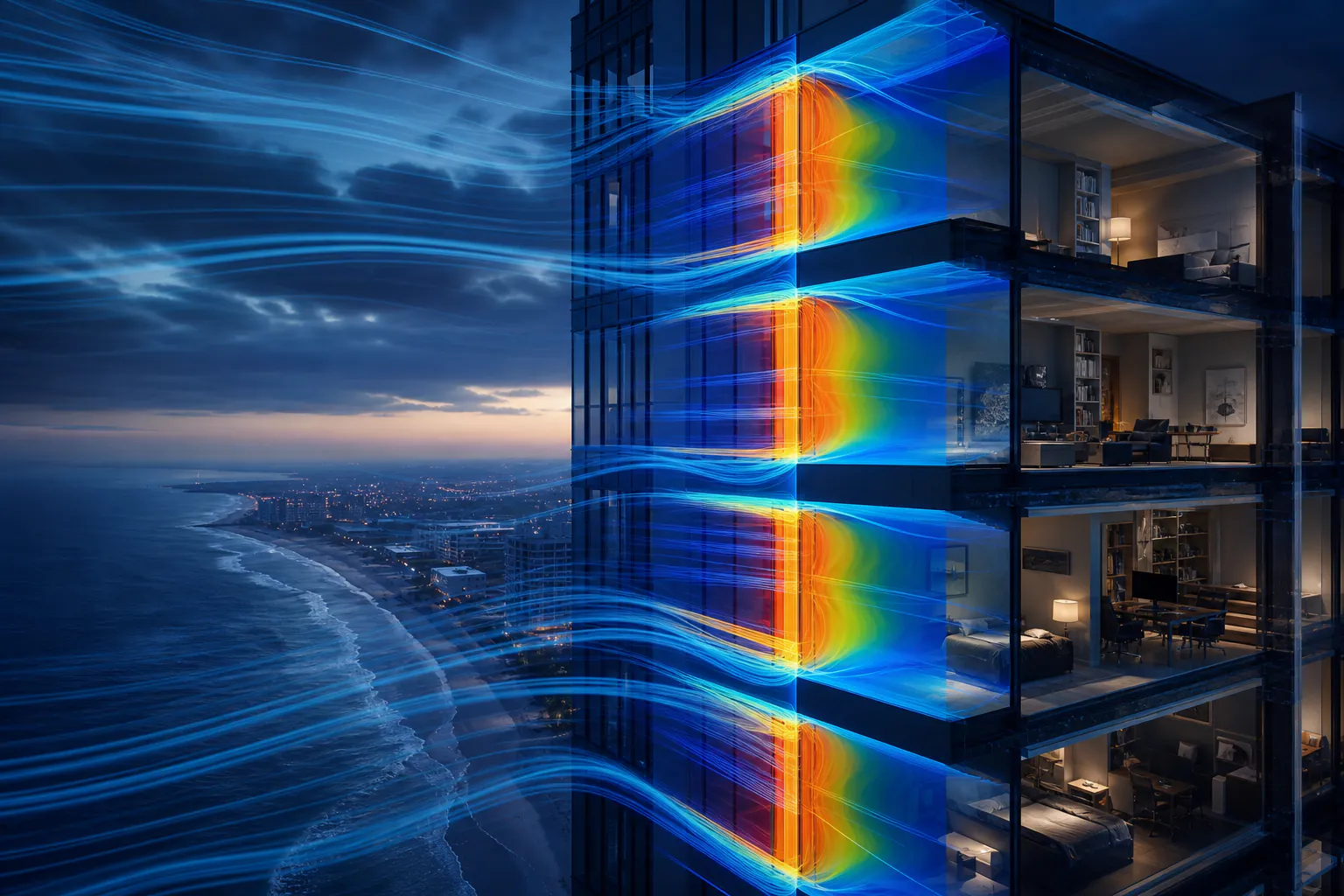
Advanced analysis: wind load and U-value calculations
Meeting demanding B2B requirements and securing lucrative contracts depends on doing the advanced technical analysis at the earliest stages of the proposal. RA Workshop Professional includes specialised backend modules that compute complex structural and thermal analyses, which removes the need for expensive external engineering consultations during the preliminary bidding phase.
On the structural side, calculating wind load on a building envelope requires strict adherence to standards such as ASCE 7-10 and ASCE 7-16. The math determines design wind pressures acting on both the Components and Cladding (C&C) and the Main Wind Force Resisting System (MWFRS). The fundamental physics derive from Bernoulli's equation and surface pressure is expressed through a non-dimensional pressure coefficient. Calculating these values manually for complex multi-story facades with varied topography and exposure categories is time-consuming and dangerous in its error rate. RA Workshop Professional lets technical estimators input the environmental parameters and instantly generate special structural reports that mathematically validate the chosen profiles, the steel reinforcements and the mullion connections against the required design pressures.
On the thermal side, U-value (thermal transmittance) measures the rate of heat transfer through the complete window system — lower values indicate better insulation. Baseline residential windows in 2026 sit between 0.25 and 1.25 W/m²K. Aggressively enforced standards push that lower: Passive House targets are exceptional, and ultra-passive systems operate between roughly 0.5 and 0.7 W/m²K. The aggregate value cannot be measured in the field — it is calculated under EN ISO 10077-1 from the centre-of-glass resistance, the frame transmittance and the linear thermal transmittance of the spacer edge seal.
Thermal bridging through highly conductive structural elements — particularly in commercial aluminium systems — risks catastrophic heat loss and interior condensation. Structural thermal breaks (materials with high mechanical stiffness but low thermal conductivity) are engineered into the connections between interior and exterior frame components. RA Workshop Professional automatically computes the holistic heat transfer coefficient based on the chosen profiles, glass and thermal breaks, which lets manufacturers iterate configurations on the fly to hit the architect's target — without the expense of trial-and-error prototyping.
| Performance target | Recommended frame and glazing | Notes |
|---|---|---|
| Minimal legal compliance | Standard aluminium | Suitable for warm climates only. |
| Enhanced energy efficiency | Thermal-break aluminium (~20 mm break) or standard multi-chamber uPVC | Common baseline for moderate climates. |
| High performance standard | Thermal-break aluminium (28–40 mm) or premium heavy-wall uPVC | Typical specification for stricter regional codes. |
| Passive House certification | Advanced thermal-break aluminium (poured PU) or triple-glazed argon-filled uPVC | Required for ultra-low energy consumption targets. |
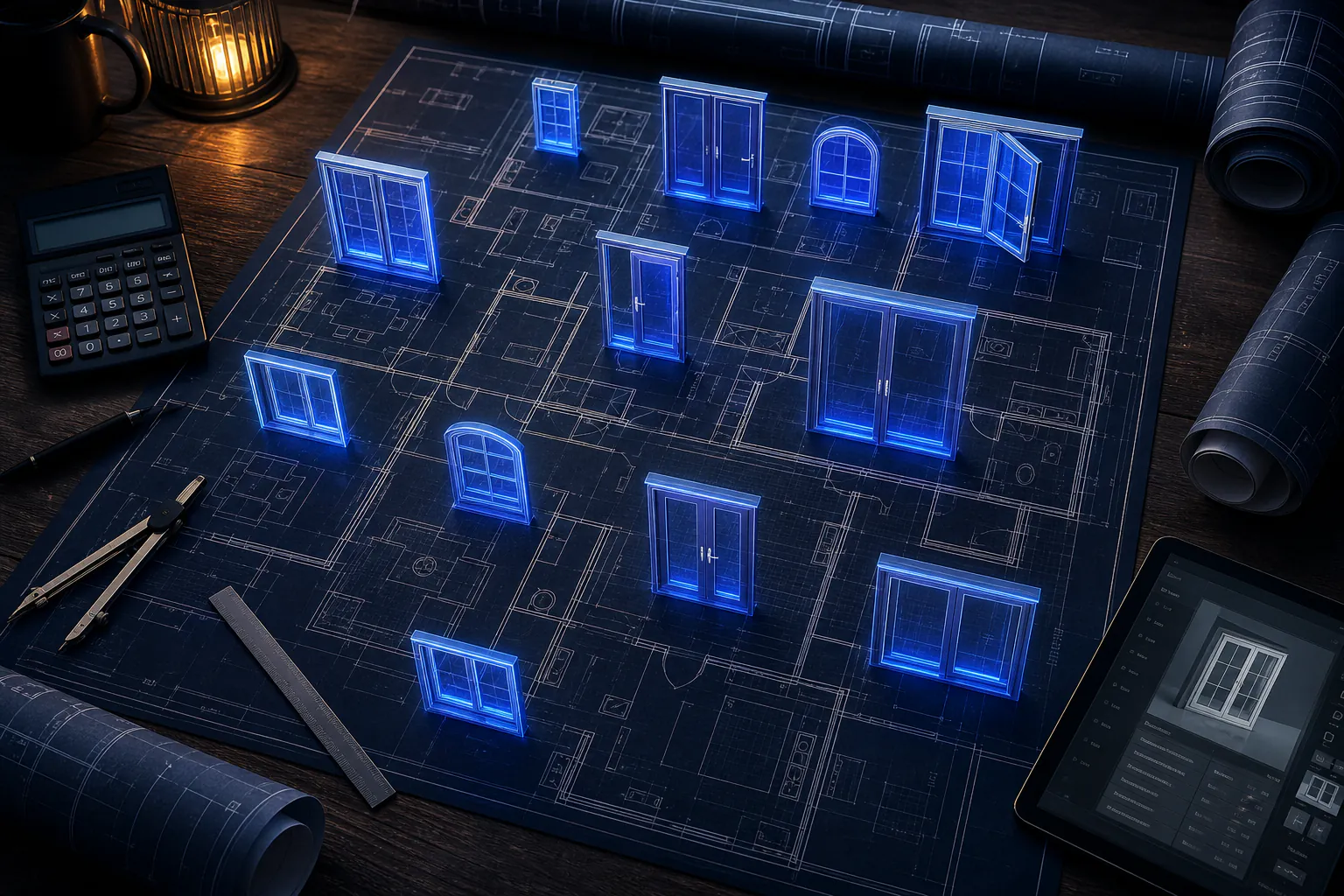
Winning complex multi-item project proposals
Winning lucrative B2B projects requires submitting flawless, comprehensive proposals. Architects and GCs do not have time to parse fragmented data, vague pricing sheets or unverified claims. They need a unified, authoritative document that lays out scope, technical methodology, structural validation and itemised costs. Inaccurate drawings and ambiguous specifications produce a cascade of RFIs, expensive change orders and scheduling delays that erode both margin and reputation.
A high-converting architectural proposal follows a rigid structure. A cover and executive introduction summarises scope and articulates an understanding of the architect's design intent. A technical approach and engineered solutions section explains how the proposed systems physically solve the project's specific challenges (ADA-compliant low-threshold sliding doors, acoustic attenuation in dense urban environments). The detailed scope and CSI specifications section is the undeniable core of the document — it itemises every window and door with cross-sectional building format specs, certified performance data (NFRC, structural ratings) and CAD-ready elevations. Then come pricing, production phases and deliverables, and finally clearly defined payment terms (e.g. 10% on initial acceptance, 30% at completion and approval of shop drawings, 60% on material delivery, 100% at final completion).
A persistent issue in commercial bidding is competitors who deliberately do not bid to the architect's specification. They quietly substitute a cheap, entry-level product for a required premium clad-wood or fiberglass system, hoping nobody notices. The reputable manufacturer combats this by explicitly presenting their technical specifications alongside the proposal. RA Workshop's reporting capabilities prove that every line item matches the Division 08 CSI specifications mandated by the original construction documents.
RA Workshop Professional excels in this environment by managing complex multi-item projects end-to-end. The software automatically generates a global BOM for the entire commercial project, granular individual component lists, and exhaustive Project Analysis reports detailing the cost, waste percentage and dimensions of every profile, hardware item, glass unit and labour line. Embedding these mathematically infallible reports inside the architectural proposal demonstrates a level of transparency and technical competency that differentiates the manufacturer from lower-tier competitors submitting vague, unverified bids.

RA Workshop Express vs Professional — aligning tools with objectives
The strategic move from spreadsheets and manual drafting to a unified digital architecture is the defining operational upgrade for any serious fenestration business in 2026. Implementing the software effectively requires aligning the specific needs of the business unit with the appropriate edition. The RA Workshop ecosystem is bifurcated for this exact reason: Express for showroom and sales velocity, Professional for manufacturing and B2B technical depth.
Both editions share the same underlying database and user interface. What differs is what they output and the operational environment they serve.
| Capability | RA Workshop Express (showroom and sales) | RA Workshop Professional (manufacturing and B2B) |
|---|---|---|
| Primary audience | Retail showrooms, installers, regional dealers. | Primary manufacturers, fabricators, architectural estimators. |
| Core operational function | Complete estimation, visual design and quotation. | Estimation, advanced production and complex structural analysis. |
| Material systems | uPVC, aluminium, wood, steel. | uPVC, aluminium, wood, steel. |
| Opening type design | All basic and complex shapes (casement, sliding, bifold, pivot). | All basic and complex shapes (casement, sliding, bifold, pivot). |
| Automated bill of materials | Yes — estimation and pricing accuracy. | Yes — manufacturing accuracy with exact cutting sizes and tolerances. |
| Algorithmic cutting optimisation | No. | Yes — drastically reduces waste and optimises stock remainders. |
| CNC machine integration | No. | Yes — automated data export to cutting, welding and processing centres. |
| Advanced technical analysis | Basic geometric parameters. | Yes — wind-load, U-value and special structural reports. |
Customisable reporting and presentation excellence
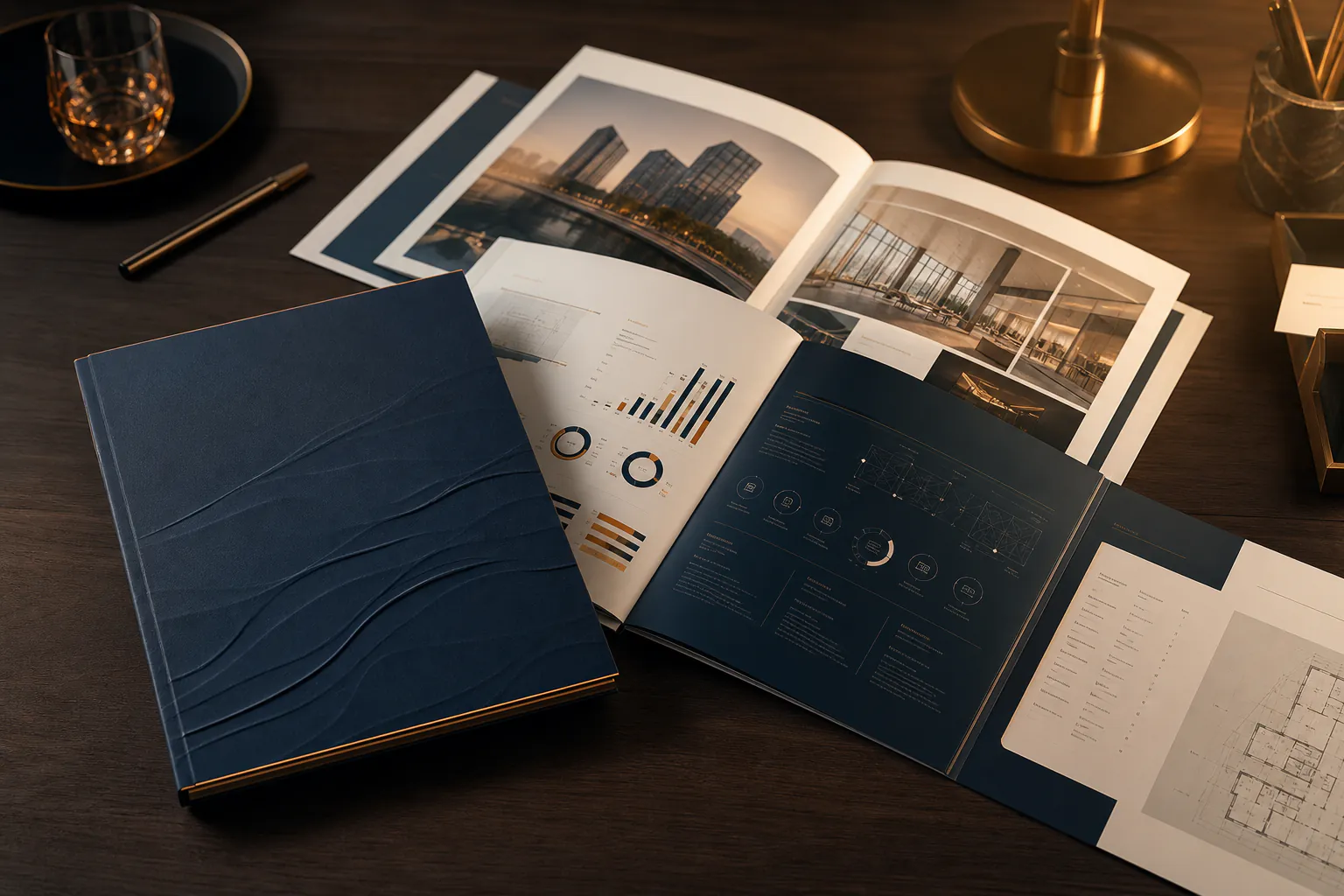
Whether you are using Express to sell to a homeowner at a kitchen table, or Professional to submit a complex bid to a general contractor, the documents your software produces are the primary representation of your brand's competence and reliability. RA Workshop puts heavy development emphasis on state-of-the-art report design for that reason.
The Visual Report Designer is a flexible drag-and-drop tool that lets administrators customise the layout, data fields, conditional formatting and corporate branding of every output document. It supports custom expressions and C#/VB scripting for genuinely bespoke reporting behaviour. This level of customisation is essential for managing sensitive business information. A 'Project Analysis' report can be generated for internal management use only — total project costs separated by profiles, hardware, glass, labour and exact margins, so executives can verify the financial viability of a complex commercial bid before submission. Simultaneously, a polished 'Client Quotation' can hide the granular internal costs and present only the aggregated tier pricing and high-resolution CAD elevations the architect or homeowner needs.
Other automated reports complete the picture: Order Confirmations (visual design with technical specs and exact dimensions, no pricing, intended for client signature); Bills of Materials with inventory codes, technical designations, unit prices and quantities both with and without anticipated waste loss; and specialised Window and Glass Panel Reports that detail exact glass dimensions inside the frame or visualise the segments needed for arched, raked or custom geometric panels.
Setting up the customised database — incorporating proprietary profiles, hardware matrices and pricing rules — typically takes two to four weeks of collaboration with RA Workshop's technical team. Once the foundation is built, the return is immediate: after roughly an hour of training, showroom and estimation staff are operating the system efficiently. Onboarding cost for new hires drops sharply.

Two markets, one technologically unified strategy
Succeeding in the 2026 fenestration market requires a bifurcated but technologically unified strategy. Reliance on slow, manual estimation processes and disjointed, high-pressure tactics is a guaranteed path to share erosion and margin degradation.
For the B2C showroom environment, success is predicated on transactional speed and psychological safety. The modern homeowner demands sub-five-minute response times and immediate visual and financial transparency. RA Workshop Express produces professional, visually stunning quotes that effortlessly support sophisticated Good-Better-Best pricing architectures. Combined with a disciplined multi-touch follow-up cadence and question-based objection handling, showrooms can dominate their local markets without resorting to margin-destroying discounts.
For the B2B commercial and architectural market, success requires a documented commitment to technical precision. Architects and commercial builders evaluate bids on strict adherence to evolving energy and structural codes. Building product manufacturers must move out of the role of supplier and into the role of technical consultant, submitting comprehensive proposals backed by rigorous wind-load calculations, exact U-value thermal models and flawless bills of materials. RA Workshop Professional provides the computational power and CNC integration to win these complex multi-item bids and execute them flawlessly on the production floor.
Whether the conversation is happening in a residential showroom or in front of a prestigious architectural firm, the underlying mechanism of success is identical: the rapid, accurate, professional presentation of data. Specialised software that fully automates design, estimation and manufacturing is what lets fenestration companies streamline operations, defend margin, and position themselves as industry leaders in a technologically demanding era.
Ready to install the 5-Minute Quote Formula in your showroom?
Book a working session with our team. We will configure RA Workshop Express to your profile catalog, build your Good-Better-Best baseline, and rehearse the five-touch follow-up cadence with your reps before you go live.
Continue reading
The Zero-Waste Fenestration Facility: a 2026 master guide to profile optimization and CNC automation
A practical blueprint for production managers and factory owners: cut material scrap from 18% to under 5%, then walk through a disciplined 90-day roadmap to a fully CNC-integrated, paperless shop floor.
Read articleStrategy & ROIThe Dealership Multiplier and ROI Calculator
A strategic framework for fenestration CEOs: multiply your dealer network through centralized architecture, then quantify the recoverable profit hidden inside quoting, errors, materials and throughput.
Read article